.svg)
Live Inventory Reports: Make Smarter Stock Decisions in Real Time


Inventory reports are supposed to guide your decisions but they don’t help much when the data is already outdated.
Most businesses rely on reports that capture what already happened, not what’s happening right now. So even when you’re making careful, data-driven decisions, there’s a hidden gap between the numbers you see and the reality of your stock.
That gap is where things start to slip like missed restocks, unexpected stockouts, or cash tied up in products that aren’t moving.
Live inventory reports change that completely.
By giving you a real-time view of your stock, sales, and movements, they help you make decisions based on the current state of your business not yesterday’s snapshot.
What Are Live Inventory Reports (and How They’re Different)
Live inventory reports show you exactly what’s happening with your stock at any given moment. Instead of relying on reports that refresh once in a while, you’re looking at data that updates continuously as your inventory changes.

Every sale, return, stock adjustment, or purchase receipt is reflected almost instantly, so you’re always working with the most accurate picture of your business.
This is what sets them apart from traditional inventory reports, which are usually static and time-based. By the time you review those reports, the data may already be outdated if you’re selling across multiple channels or dealing with fast-moving products.
Here’s how live inventory reports are different:
- They update continuously as inventory changes, not at fixed intervals
- They reflect real-time stock levels across all channels and locations
- They help you make decisions based on current data, not past snapshots
- They reduce the risk of errors caused by delayed or outdated information
- They allow you to respond quickly to changes in demand or stock levels
Why Delayed Inventory Data Leads to Bad Decisions
When your inventory data isn’t up to date, every decision you make is based on an assumption not reality. And in eCommerce, even small gaps between actual stock and reported stock can quickly turn into costly inventory mistakes.
The problem isn’t just that the data is delayed, it’s that you don’t realize how much things have changed since the last update. A product that looked well-stocked a few hours ago might already be close to selling out. Or something you reordered might already be overstocked.
Over time, these small mismatches compound and start affecting how you buy, sell, and plan.
Here’s where delayed data causes the most damage:
- You reorder products that are already sufficiently stocked, tying up cash unnecessarily
- You run out of fast-selling items because the report didn’t reflect recent sales
- You oversell products, leading to cancellations, refunds, and poor customer experience
- You miss early signs of slow-moving stock, letting it pile up into dead inventory
- You make forecasting and purchasing decisions based on outdated trends
How Live Reports Help You Stay Profitable
Profitability isn’t just about selling more, it’s about making the right inventory decisions at the right time. When you have live inventory reports, you’re no longer guessing or reacting late.

You’re making decisions based on what’s actually happening in your business right now, which directly impacts your margins, cash flow, and operational efficiency.
Restock at the Right Time
Live reports show you exactly how fast products are selling and how much stock you have left. This helps you reorder at the right moment avoiding both last-minute stockouts and unnecessary overstocking.
Prevent Lost Sales from Stockouts
When your inventory updates in real time, you can catch low stock levels early and act before products go out of stock. This ensures you don’t miss out on revenue, especially during high-demand periods.
Avoid Excess Inventory and Storage Costs
Overstocking ties up cash and increases storage costs. Live visibility helps you spot products that aren’t moving as expected, so you can slow down purchasing or run promotions to clear them.
Make Smarter Purchasing Decisions
With accurate, up-to-date data, you’re not relying on outdated trends or assumptions. You can adjust your purchase plans based on current demand, not last week’s numbers.
Reduce Costly Errors and Returns
Overselling or incorrect stock counts often lead to cancellations and refunds. Live reports minimize these errors by keeping your inventory aligned with actual stock levels at all times.
Improve Overall Cash Flow
When your inventory decisions are more precise, your money isn’t stuck in the wrong products. You’re investing in stock that actually sells, which keeps your cash flow healthy and predictable.
When Shopify’s Native Reports Fall Short
Shopify’s built-in reports work well when your setup is simple. But as your business grows, you’ll start to notice that these reports aren’t designed for real-time, operational decision-making.
The main limitation is that most Shopify reports are not truly live. They’re built more for analysis than action, which means there’s often a delay between what’s happening in your inventory and what you see in your reports.
As a result, you’re left filling in the gaps either by double-checking numbers manually or relying on assumptions.
Here’s where Shopify reports tend to fall short:
- They don’t always reflect real-time inventory changes across channels
- Limited visibility when managing multiple locations or warehouses
- Lack of detailed inventory movement tracking (what changed and why)
- Reports are more summary-focused than action-oriented
- You often need to export data or use spreadsheets for deeper insights
How Sumtracker Provides Live Inventory Reporting
Sumtracker is built to give you a clear, real-time view of your inventory without the delays and gaps you typically see in standard reporting tools. Instead of generating reports at fixed intervals, it continuously updates your data as your inventory changes.
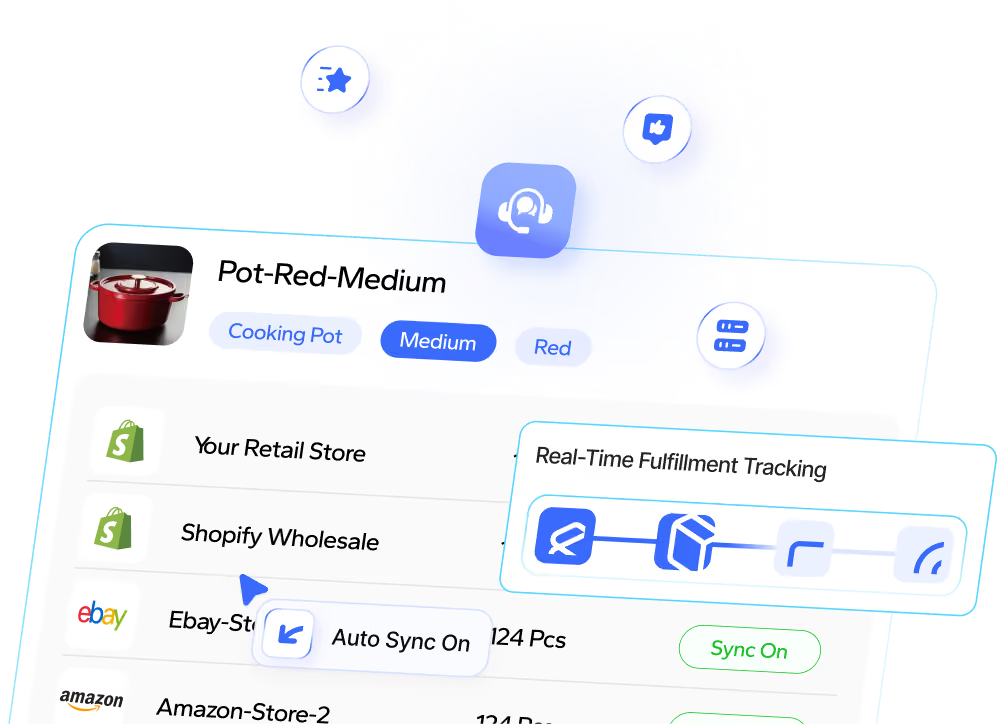
Every sale, return, purchase receipt, or stock adjustment is instantly reflected in your reports. This means you’re not waiting for data to sync or refresh, you’re working with accurate numbers as your operations unfold.
What makes this especially useful is how everything is connected in one place. Your sales, inventory, and purchasing data aren’t scattered across different systems or reports. They’re linked, giving you a complete picture of what’s happening across your business at any moment.
With Sumtracker, live inventory reporting looks like:
- Real-time updates across all sales channels and locations
- Instant visibility into stock levels as orders come in
- Automatic syncing between sales, purchases, and inventory data
- Centralized reporting without relying on spreadsheets
- Accurate tracking of inventory movement and changes
Types of Inventory Reports Sumtracker Provides
Sumtracker offering a range of reports that cover sales performance, purchasing activity, and stock health, all in one place.

Instead of digging through multiple tools or exporting data into spreadsheets, you get a clear, connected view of how your inventory is moving and performing.
Here’s a quick look at the types of reports available:
- Sales reports: Get a clear view of how your products are performing across stores and channels, including sales trends, order history, fulfillment status, and insights into both top-selling and low-performing products.
- Purchase reports: Track what you’ve ordered, what’s been received, and what’s still pending. These reports help you stay on top of supplier activity and ensure your incoming inventory is aligned with your needs.
- Inventory reports: Monitor your current stock levels, historical inventory changes, stock valuation, and adjustments. You also get a consolidated view across multiple locations, so nothing slips through the cracks.
- Forecasting and planning reports: Understand how long your current inventory will last and plan your restocking accordingly. These insights help you move from reactive purchasing to more proactive inventory planning.
Conclusion
When you’re working with delayed or static reports, you’re constantly playing catch-up fixing issues after they’ve already impacted your sales and cash flow.
Live inventory reports shift that completely.
They give you clarity in the moment, so you can restock on time, avoid costly mistakes, and stay in control as your business grows. Instead of reacting to problems, you’re preventing them.
If you’re serious about running a more efficient and profitable operation, it’s worth moving beyond static reports and investing in tools that give you real-time visibility.
👉 Want to see your inventory update in real time?
FAQs
1. What is a live inventory report?
A live inventory report shows your stock levels, sales, and inventory movements in real time. It updates continuously as changes happen, so you always see the most accurate data.
2. How are live inventory reports different from regular reports?
Regular reports are static and generated at specific intervals, while live reports update automatically. This means live reports reflect current inventory, not past snapshots.
3. Why is real-time inventory data important?
Real-time data helps you make accurate decisions quickly whether it’s restocking, managing demand, or avoiding overselling. It reduces errors and improves overall efficiency.
4. Does Shopify provide live inventory reporting?
Shopify offers basic reporting, but most of its reports are not truly real-time. There can be delays, especially when managing multiple locations or sales channels.
5. How can Sumtracker improve inventory reporting?
Sumtracker provides real-time inventory updates across all channels and locations. It connects sales, purchasing, and stock data in one place, helping you make faster and more informed decisions.
Conclusion

Bhoomi writes about inventory management and multichannel selling at Sumtracker. Her focus is on solving real operational problems for Shopify, Amazon, and marketplace sellers through well-researched content. She covers everything from multi-location inventory syncing and stock error troubleshooting to replenishment planning and platform comparisons, turning complex eCommerce operations into clear, actionable guidance.
LinkedInRelated Articles
Tool and strategies modern teams need to help their companies grow.
.avif)

.avif)
Ready to Simplify Your Inventory Management?
Join hundreds of e-commerce merchants who rely on Sumtracker to save time, eliminate errors, and grow their business.