.svg)
Shopify Inventory Valuation: Key Metrics, Methods, and Best Practices


If you run a Shopify store, you probably check your sales daily, revenue, orders, maybe even profit.
But here’s something most merchants overlook: a huge part of your business value is sitting quietly in your inventory.
Think about it like your stock isn’t just products on shelves.
It’s money you’ve already invested. And if you don’t know exactly how much that inventory is worth, you’re not seeing the full picture of your business.
That’s where an inventory valuation report comes in.
It helps you understand what your inventory is actually worth at any given moment so you can make smarter decisions, avoid cash flow surprises, and truly understand how your business is performing.
Let’s break it down.
What is an Inventory Valuation Report in Shopify?
An inventory valuation report shows the total monetary value of all the products you currently have in stock. It’s calculated using your product costs and available quantities.
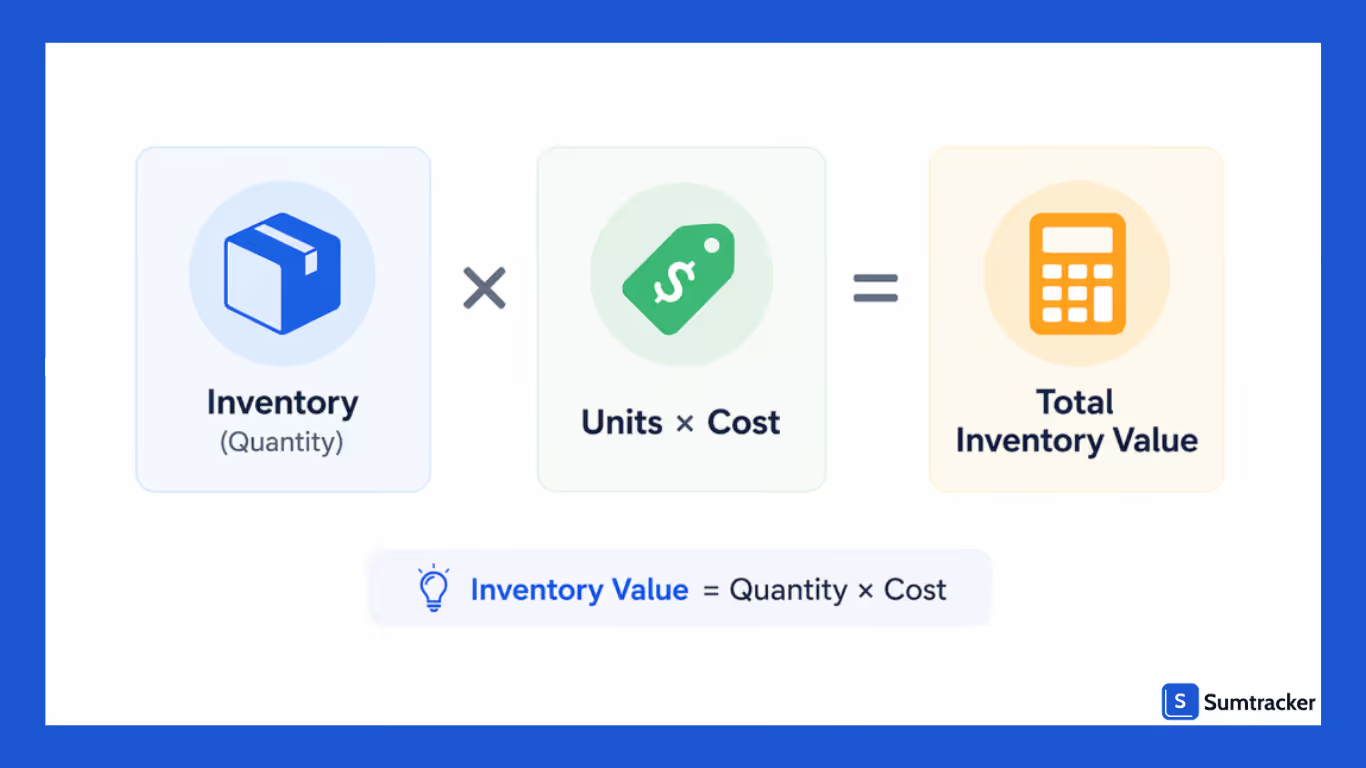
In Shopify, this typically means:
- How many units you have
- What each unit costs you
- The total value of your inventory
Simple in theory but here’s the catch.
Shopify’s native system doesn’t always give you a complete or real-time view, especially if:
- You sell across multiple channels
- You manage bundles or kits
- Your cost prices change frequently
Why Inventory Valuation Is Critical for Shopify Store Owners
If you run a Shopify store, inventory is more than just stock, it’s a major part of your business value. Inventory valuation helps you understand what your business truly owns, not just what it sells.
Clear View of Cash Flow
Know exactly how much money is tied up in inventory and whether it’s being used efficiently.
Accurate Profit Tracking
Correct cost data ensures your margins and profits reflect reality, not assumptions.
True Business Worth
Inventory is a key asset, so accurate valuation directly impacts your overall business value.
Better Inventory Decisions
Identify what to restock, discount, or stop selling based on real data.
Identify Slow-Moving Stock
Spot products that are holding your cash without contributing to revenue.
Key Metrics to Look for in a Shopify Inventory Valuation Report
An inventory valuation report becomes truly useful when you understand what each metric tells you about your business. Here’s how to read them properly:
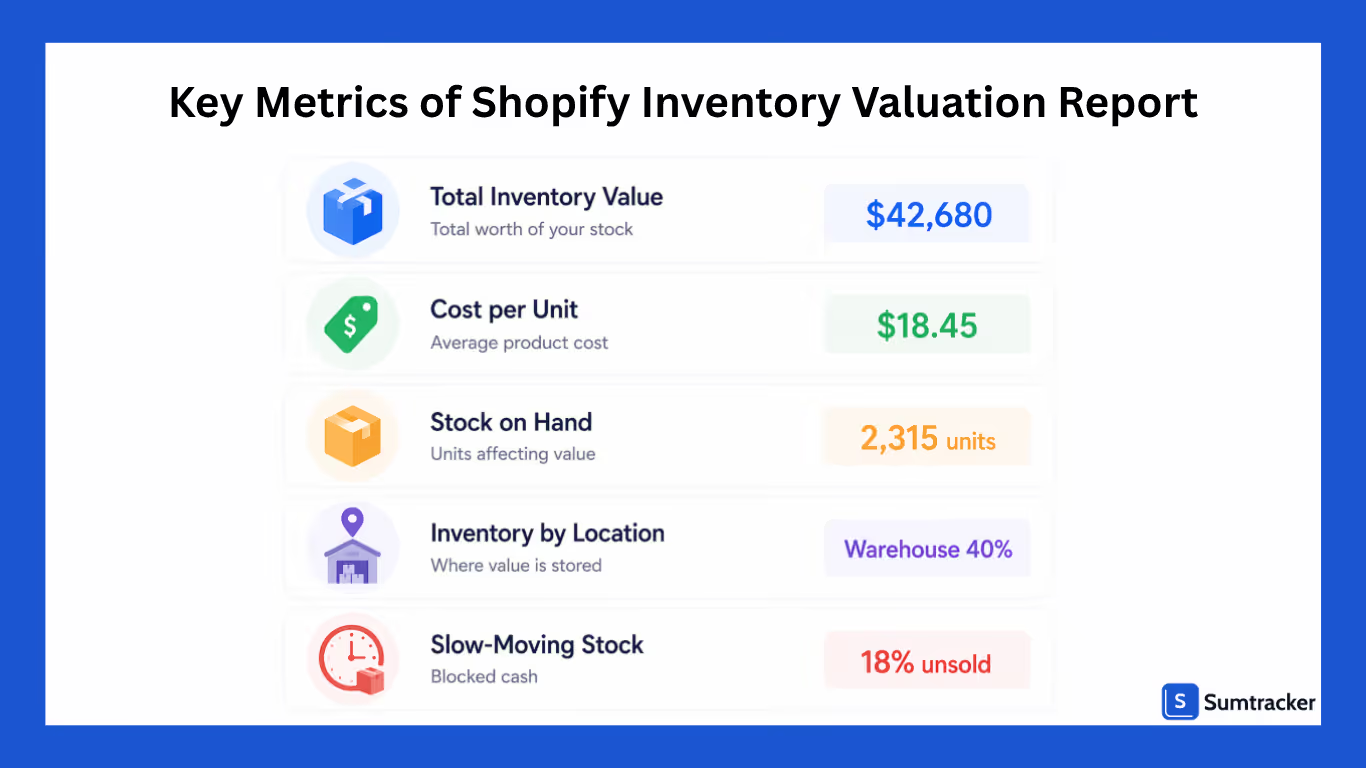
Total Inventory Value
This is the total cost value of all your inventory combined. It shows how much capital is currently invested in stock.
A high number isn’t always good, it could mean strong inventory depth or excess stock tying up cash. The key is to compare this with your sales velocity.
Cost per Unit
This is the cost at which you purchased each product (not the selling price).
If this number is inaccurate or outdated, your entire valuation and profit calculation becomes unreliable. Always ensure this reflects your latest supplier or landed costs.
Stock on Hand
This represents the actual quantity available for each product.
It directly impacts your inventory value. Even small mismatches here (due to returns, damages, or sync issues) can lead to incorrect valuation.
Inventory by Location
If you manage multiple warehouses or stores, this shows how your inventory is distributed.
It helps you understand:
- Where most of your inventory value is stored
- Whether stock is unevenly distributed
- If transfers are needed to optimize fulfillment
SKU-Level Valuation
This breaks down inventory value per product or SKU.
It’s especially useful for identifying:
- High-value products contributing most to your inventory
- Products holding too much capital relative to their sales
Dead or Slow-Moving Inventory
These are products that haven’t sold in a while but still contribute to your total inventory value.
This is one of the most important metrics because it highlights blocked cash. Even though these items increase your inventory value on paper, they don’t generate revenue.
How Often Should You Review Your Shopify Inventory Valuation?
Inventory valuation should be reviewed regularly to ensure your financial data stays accurate and your decisions are based on current numbers—not outdated assumptions.
Monthly Review (Recommended for Most Stores)
A monthly review is the standard for most Shopify businesses. It aligns with financial reporting cycles and helps you track changes in inventory value over time. This is essential for accurate profit analysis and overall business tracking.
More Frequent Reviews for High-Volume Stores
If your store has high sales volume or frequent stock movement, reviewing your inventory valuation more often (weekly or bi-weekly) helps you stay aligned with rapid changes in inventory levels and costs.
Before Financial Reporting or Tax Filing
Inventory valuation should always be reviewed before preparing financial statements or filing taxes. Accurate valuation ensures your cost of goods sold (COGS) and profits are reported correctly.
After Significant Inventory Changes
Any major updates such as bulk restocking, stock adjustments, or cost price changes should be followed by a review to ensure your inventory value reflects the latest data.
During Inventory Audits or Reconciliation
When you perform physical stock checks or audits, reviewing your valuation ensures your system matches actual inventory and highlights discrepancies if any.
Best Practices to Maintain Accurate Inventory Valuation in Shopify
Accurate inventory valuation doesn’t happen automatically, it depends on how well your inventory data is maintained. A few consistent practices can make a big difference in keeping your numbers reliable.
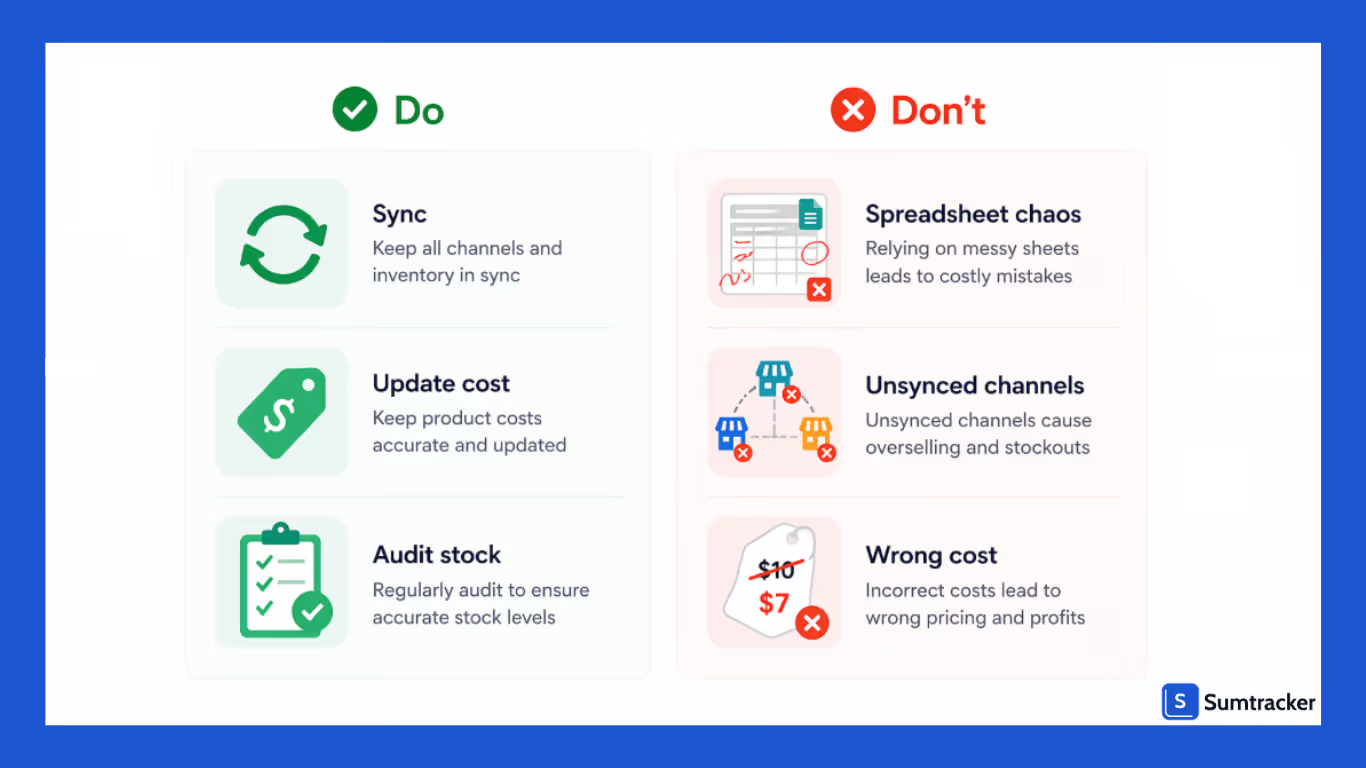
Keep Cost Prices Updated
Your inventory valuation is only as accurate as your cost data.
Whenever supplier pricing, shipping costs, or landed costs change, update them immediately. Outdated costs lead to incorrect valuation and misleading profit numbers.
Use Consistent Costing Methods
Stick to a single inventory costing method (such as FIFO or weighted average) and apply it consistently.
Switching methods or using inconsistent calculations can distort your inventory value and financial reporting.
Avoid Manual Edits and Spreadsheets
Manual updates increase the risk of errors, especially as your store scales.
Relying on spreadsheets or disconnected systems often leads to mismatched quantities and incorrect valuation.
Sync Inventory Across All Channels
If you’re selling on multiple platforms, your inventory should be updated in real time across all channels.
Lack of sync can cause incorrect stock levels, which directly impacts your inventory valuation.
Perform Regular Inventory Audits
Physical stock checks help ensure your system matches actual inventory.
Catching discrepancies early prevents long-term inaccuracies in your valuation.
Track Inventory by Location
If you manage multiple warehouses or stores, track inventory separately for each location.
This gives you a clearer and more accurate view of where your inventory value is distributed.
Centralize Your Inventory Management
Using a single system to manage inventory across channels and locations reduces inconsistencies.
A centralized approach ensures that all updates like sales, returns, adjustments are reflected correctly in your valuation.
How Sumtracker Helps You Get Accurate Inventory Valuation
Getting inventory valuation right inside Shopify alone can be challenging especially when you’re dealing with multiple channels, locations, and frequent stock movement.
That’s where Sumtracker comes in.
It gives you a clear, real-time view of your inventory value by ensuring your stock data, costs, and movements are always accurate and in sync. Instead of relying on fragmented or delayed information, you get a reliable foundation for understanding your true business worth.
Here’s how Sumtracker helps:
- Real-time inventory sync: Keeps stock levels updated instantly across Shopify and other sales channels, so your valuation always reflects current data.
- Accurate cost tracking: Maintains consistent and updated cost prices, ensuring your inventory value and profit calculations are reliable.
- Multi-location visibility: Tracks inventory across warehouses and stores, giving you a complete view of where your inventory value is distributed.
- Centralized inventory management: Brings all your inventory data into one system, reducing errors caused by disconnected tools or manual updates.
- Reliable reporting: Generates clear and accurate inventory valuation reports, helping you understand how much your inventory is truly worth at any time.
Conclusion
Inventory valuation is what connects your stock to your actual business performance. It tells you how much money is tied up in inventory, how accurate your profits really are, and what your business is truly worth beyond just sales numbers.
When this data is inaccurate, decisions around purchasing, pricing, and growth become guesswork. But when it’s reliable, you can confidently manage stock, improve cash flow, and plan ahead.
As your Shopify store grows, keeping inventory valuation accurate across products, locations, and channels becomes harder to manage manually.
That’s where Sumtracker helps by ensuring your inventory data, costs, and valuation are always up to date.
Try Sumtracker today to track your true inventory worth and make smarter, data-driven decisions for your business.
FAQs
What is included in a Shopify inventory valuation report?
A typical inventory valuation report includes stock quantities, cost per unit, and the total value of inventory. Some reports also break this down by SKU or location.
What is the difference between cost price and selling price in inventory valuation?
Inventory valuation is based on cost price, not selling price. The cost price reflects how much you paid for the product, which determines your actual inventory value.
Can inventory valuation affect my profit calculation?
Yes. Inventory valuation directly impacts your cost of goods sold (COGS), which in turn affects your profit. Incorrect valuation can lead to misleading financial results.
How do multi-channel sales impact inventory valuation?
If inventory is not synced across channels like Shopify, Amazon, or Etsy, stock levels can become inaccurate, leading to incorrect valuation.
Do I need an inventory management tool for accurate valuation?
While Shopify provides basic tracking, growing businesses often need a dedicated system like Sumtracker to ensure accurate, real-time inventory valuation across channels and locations.
Conclusion

Bhoomi writes about inventory management and multichannel selling at Sumtracker. Her focus is on solving real operational problems for Shopify, Amazon, and marketplace sellers through well-researched content. She covers everything from multi-location inventory syncing and stock error troubleshooting to replenishment planning and platform comparisons, turning complex eCommerce operations into clear, actionable guidance.
LinkedInRelated Articles
Tool and strategies modern teams need to help their companies grow.
.avif)
.avif)

Ready to Simplify Your Inventory Management?
Join hundreds of e-commerce merchants who rely on Sumtracker to save time, eliminate errors, and grow their business.