Sumtracker vs Shopify Inventory
Dedicated inventory and replenishment platform or Shopify’s built-in tool?
The main difference between Sumtracker and Shopify Inventory is that Sumtracker is a dedicated inventory management and replenishment platform with multichannel sync, demand forecasting, bundles, and purchase orders. Shopify Inventory is included in the Shopify admin, built to track stock, transfers, and purchase orders for your Shopify store.


What is Sumtracker?
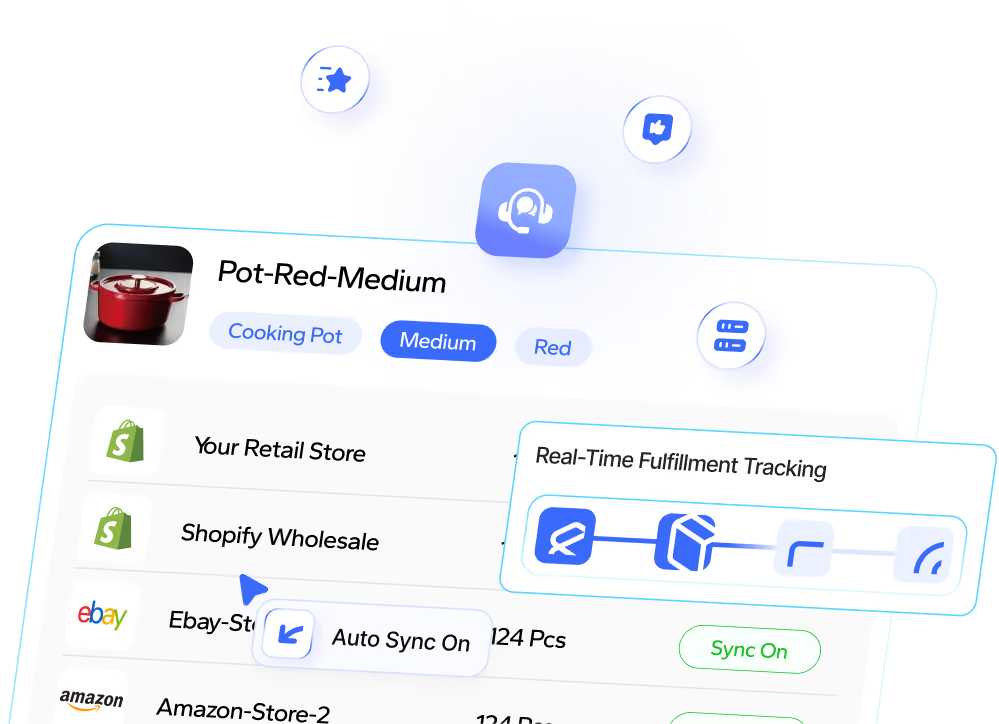
Sumtracker is inventory management and replenishment software for multichannel sellers. It focuses on real-time stock sync, demand forecasting, bundles and kits, and purchase orders.
Multichannel and multi-store Shopify merchants
What isShopify?
Shopify's inventory tool is built into the Shopify admin. It tracks stock across locations and handles transfers, purchase orders, and stock counts.
Shopify stores with a simple SKU catalog
Head to head comparison
Shopify brands selling on multiple sales channels that want inventory sync, replenishment, and purchase orders in one dashboard.
Shopify-only brands with a small catalog that want stock, transfers, and purchase orders managed inside the Shopify admin
Yes. Native real-time sync across Shopify, Amazon, Etsy, eBay, and Walmart
Only with Shopify’s Marketplace Connect app. Covers Amazon, eBay, Walmart and Target Plus.
Yes. Advanced bundle management that updates component stock on every channel.
Only with Shopify’s Bundles app. Works for bundles sold on your Shopify store and POS.
Stock tracking across up to 10 warehouses. No pick, pack or shipping workflows.
Yes. Up to 10 locations (200 on Plus), transfers, stock counts, bin locations and order fulfillment.
Yes. 12-month demand forecasting with automated order-quantity suggestions and purchase orders.
Purchase orders, but no forecasting module. Sidekick suggests reorders when you ask.
for 5,000 orders a year, up to 10 locations and unlimited users. Priced by annual orders. 14-day free trial.
Included in every Shopify plan. Plans start at $39/month. Pricing as of November 2026.
Verify pricing on their site →Most customers are live within days. Reviews consistently praise fast and knowledgeable support
Built into the admin, so there is nothing to install. 24/7 chat support on all plans.
Praised for: accurate stock sync and fast, helpful support.
Praised for: easy, built-in stock tracking.
Switching to Sumtracker is simple
No data loss, no downtime. Most brands are fully migrated within a few days.
Dedicated onboarding manager
You're never on your own. A dedicated onboarding manager guides you through the entire switch.
Automatic account setup
Products, inventory, locations, and past sales import automatically from Shopify, so replenishment suggestions have real data from day one. Past purchase orders import easily with bulk PO import.
Go live within a week
Switch your inventory and operations over to Sumtracker in a simple move. Learning the platform takes just a few hours.
frequently asked questions
Sumtracker is a dedicated inventory management and replenishment platform, with multichannel sync, demand forecasting, bundles, and purchase orders. Shopify Inventory is the set of inventory features included in the Shopify admin, built to track stock, transfers, and purchase orders for your Shopify store.
Shopify Inventory does not sync stock with marketplaces on its own. Shopify's separate Marketplace Connect app adds stock sync for Amazon, eBay, Walmart and Target Plus. Sumtracker syncs stock across Shopify, Amazon, Etsy, eBay and Walmart in a single dashboard.
Yes, if you have a large catalog, run multiple Shopify stores, sell bundles, or reorder from suppliers regularly. Sumtracker keeps stock in sync across Shopify stores and channels and suggests what and how much to reorder. Shopify merchants with a small SKU catalog and occasional reorders can manage with Shopify Inventory alone.
Switch to Sumtracker when managing inventory in Shopify starts costing you sales or time. Common signs are adding a marketplace like Amazon or Etsy, regular overselling or stockouts, and hours each week spent on bundles and reorders. Your store stays on Shopify, and Sumtracker manages inventory across every channel.
Ready to Simplify Your Inventory Management?
Join 2,000+ Shopify brands who use Sumtracker to save time, eliminate errors, and grow their business.