.svg)
.avif)
Top 10 Tools for Real-Time Inventory Sync for Shopify in 2026


You made a sale and your inventory updates hours later.
Do you face this?
It might seem like a small delay, but when you’re selling across Shopify and multiple channels, even a few minutes can lead to overselling, stock mismatches, and unhappy customers.
That’s where the real-time inventory sync software makes all the difference.
In this guide, we’ll walk you through the best tools that keep your inventory updated in real time, so your operations stay smooth as you scale.
Why Real-Time Inventory Sync Matters for Shopify Stores
In the fast-paced world of ecommerce, inventory accuracy can make or break your business. For Shopify merchants selling across multiple channels like marketplaces, POS systems, and social platforms, stock levels are constantly shifting.
Without real-time inventory sync, your store can oversell products, disappoint customers, and create operational chaos.
Real-time sync ensures that stock quantities are instantly updated the moment an order is placed, returned, or adjusted. This prevents overselling, reduces manual reconciliation work, and helps maintain customer trust.
It also enables smarter decisions for purchase orders, fulfillment prioritization, and demand forecasting.
In short, real-time sync turns your inventory from a potential bottleneck into a strategic asset that supports scaling without errors.
How to Choose the Best Inventory Sync Software for Shopify
With so many tools on the market, selecting the right inventory sync solution can feel overwhelming. Focus on a few key criteria that directly impact performance and your day-to-day efficiency:
2. Sync Across Channels: Your software should sync Shopify with marketplaces (like Amazon & eBay), POS, and other sales platforms without discrepancies in a single dashboard.
3. Multilocation Support: If you use multiple warehouses or fulfillment centers, ensure the tool can manage stock across all locations accurately.
4. Ease of Integration: Native Shopify integration or a smooth app onboarding process reduces friction and time to value.
5. Scalability: Choose a solution that supports growth more SKUs, more channels, and more sales volume without degradation in performance.
6. Reporting & Insights: Real-time dashboards and actionable inventory reports help you forecast demand, plan replenishment, and reduce stockouts or overstocks.
7. Pricing & Support: Balance cost with features, and evaluate the vendor’s support options for setup and troubleshooting.
How We Ranked These Tools
Sync mechanism - event-driven updates beat scheduled polling, which leaves a gap during flash sales.
Channel coverage - how many of Shopify, Amazon, eBay, Walmart, Etsy, BigCommerce and WooCommerce are supported natively.
Bundle handling - whether the tool decrements component stock when a kit sells, or requires manual reconciliation.
Setup time - days to live sync, not weeks of implementation.
Pricing transparency - published pricing versus quote-only.
Here are the top 10 tools:
1. Sumtracker
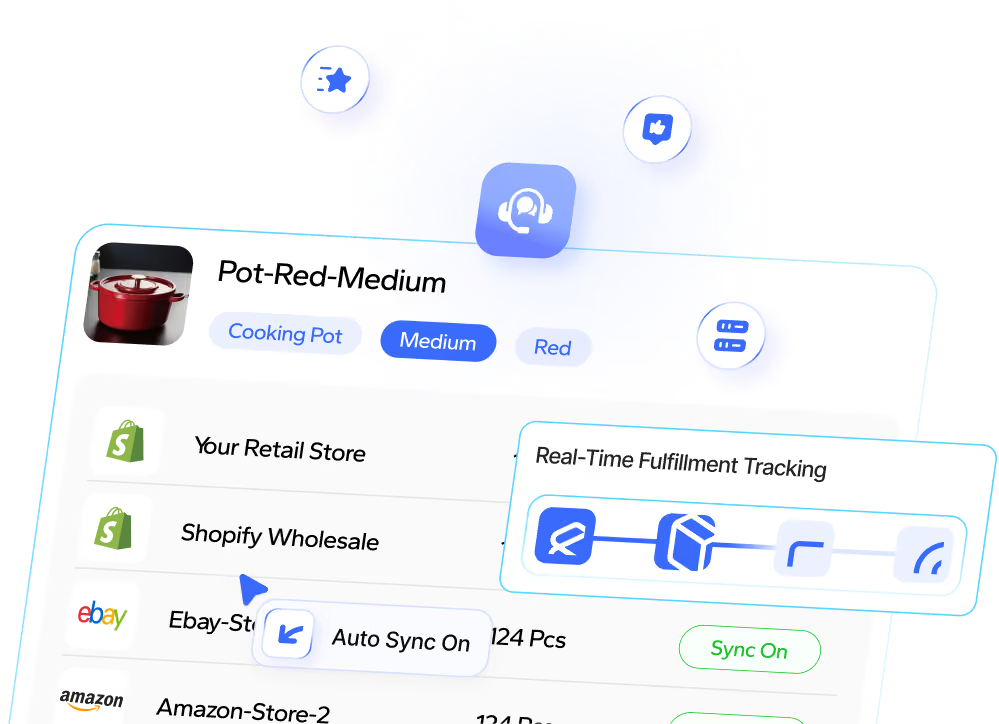
Sumtracker is an inventory management and replenishment tool built for Shopify and multi-channel sellers who need fast, reliable inventory syncing. Stock updates happen instantly as sales, returns, or adjustments occur, keeping inventory accurate across channels.
Event-driven inventory sync across Shopify, Amazon, eBay, Walmart, and Etsy, with automatic bundle and kit management. Built for brands running 50 to 50,000 orders a month that need stock accuracy without an ERP implementation.
%20(1).avif)
Key Features:
- Real-time inventory sync across Shopify and marketplaces in a single dashboard.
- SKU-level visibility with low-stock alerts
- Sales-based restocking insights and forecasting
- Multi-location and multi-store inventory tracking
Pros:
- Very fast and accurate sync
- Easy to use with a clean dashboard
- Strong restocking and forecasting support
Cons:
- Not a full accounting or ERP system
- Advanced custom reporting is limited
Pricing:
Starts at $59/month. Free trial available.
2. SKULabs
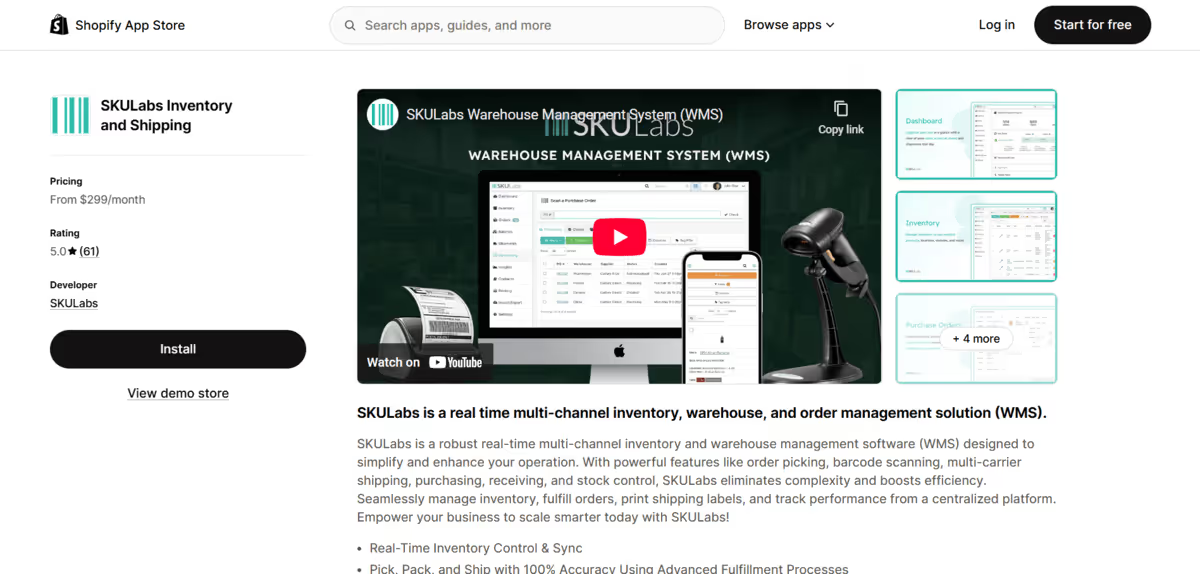
SKULabs combines real-time inventory syncing with warehouse and fulfillment workflows. It keeps Shopify stock levels accurate as orders move through picking, packing, and shipping.
Key Features:
- Real-time inventory and order syncing
- Barcode-based picking and packing
- Built-in shipping workflows
Pros:
- Strong fulfillment and warehouse tools
- Reduces manual handling errors
Cons:
- Limited forecasting features
- Can be expensive for smaller teams
Pricing:
Plans generally start around $299/month.
3. Zoho Inventory
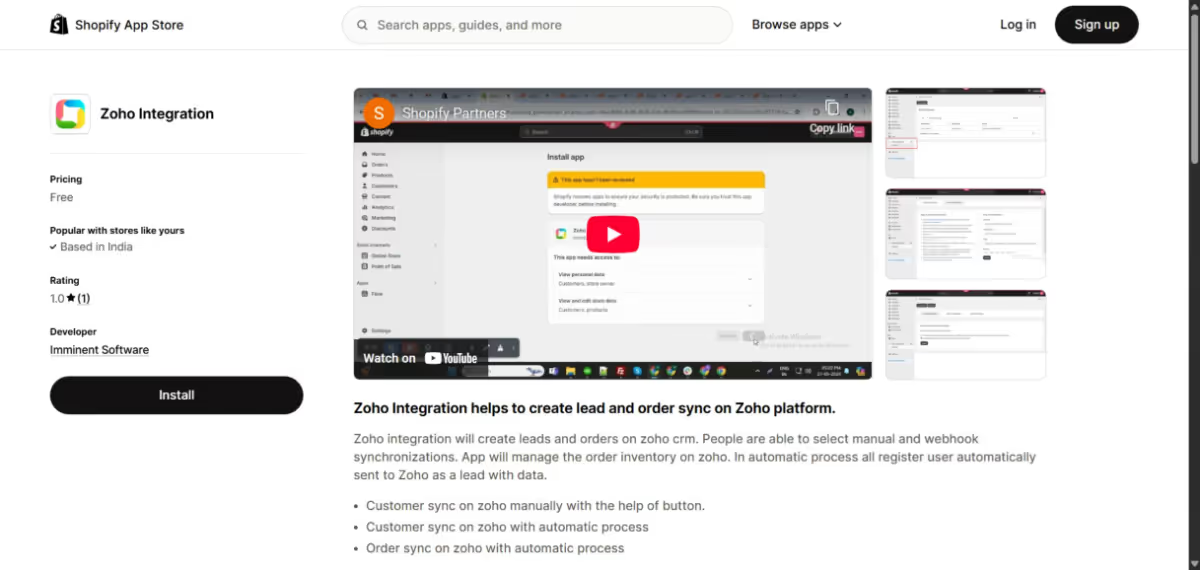
Zoho Inventory is a flexible inventory solution that syncs Shopify stock in real time while supporting automation and multi-location setups. It’s well suited for small to mid-sized businesses.
Key Features:
- Real-time inventory and order sync
- Multi-warehouse inventory tracking
- Automated reorder rules and workflows
Pros:
- Affordable and easy to get started
- Works well within the Zoho ecosystem
Cons:
- Forecasting is fairly basic
- Some features require other Zoho products
Pricing:
Free plan available; paid plans start around $29/month.
4. Cin7 Core
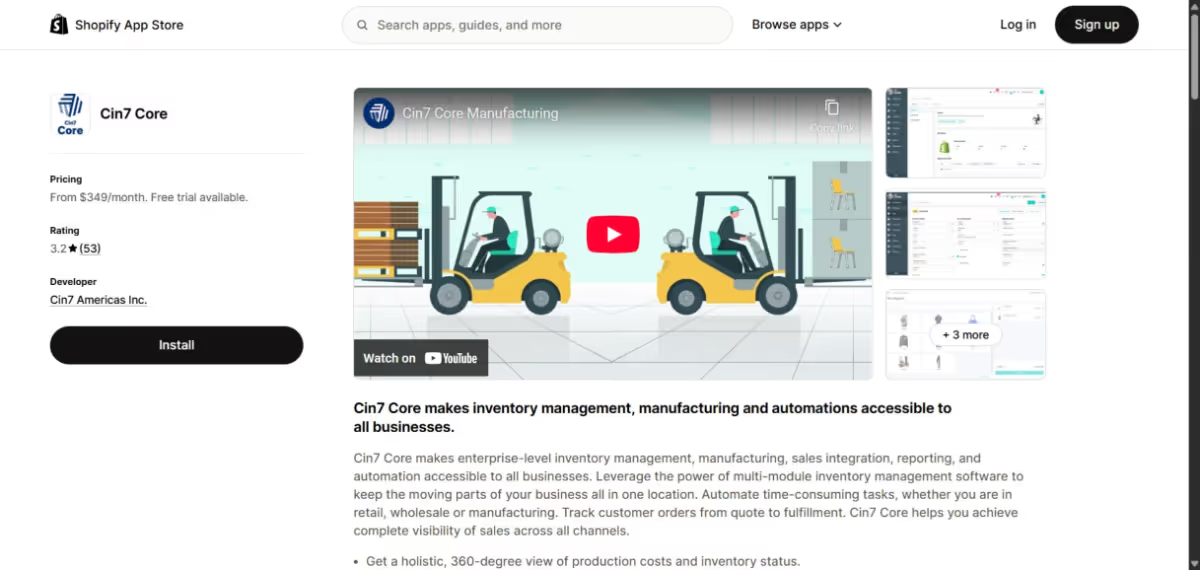
Cin7 Core is designed for brands managing inventory across multiple sales channels. It syncs stock levels in real time while offering deep control over purchasing, suppliers, and operations.
Key Features:
- Real-time inventory syncing across channels
- Purchase order and supplier management
- Automation for stock movements and workflows
Pros:
- Very powerful feature set
- Good fit for complex operations
Cons:
- Steeper learning curve
- Higher starting price
Pricing:
Starts around $349/month.
Looking for a simpler or more affordable option? Explore our list of the Cin7 alternatives to see how they compare.
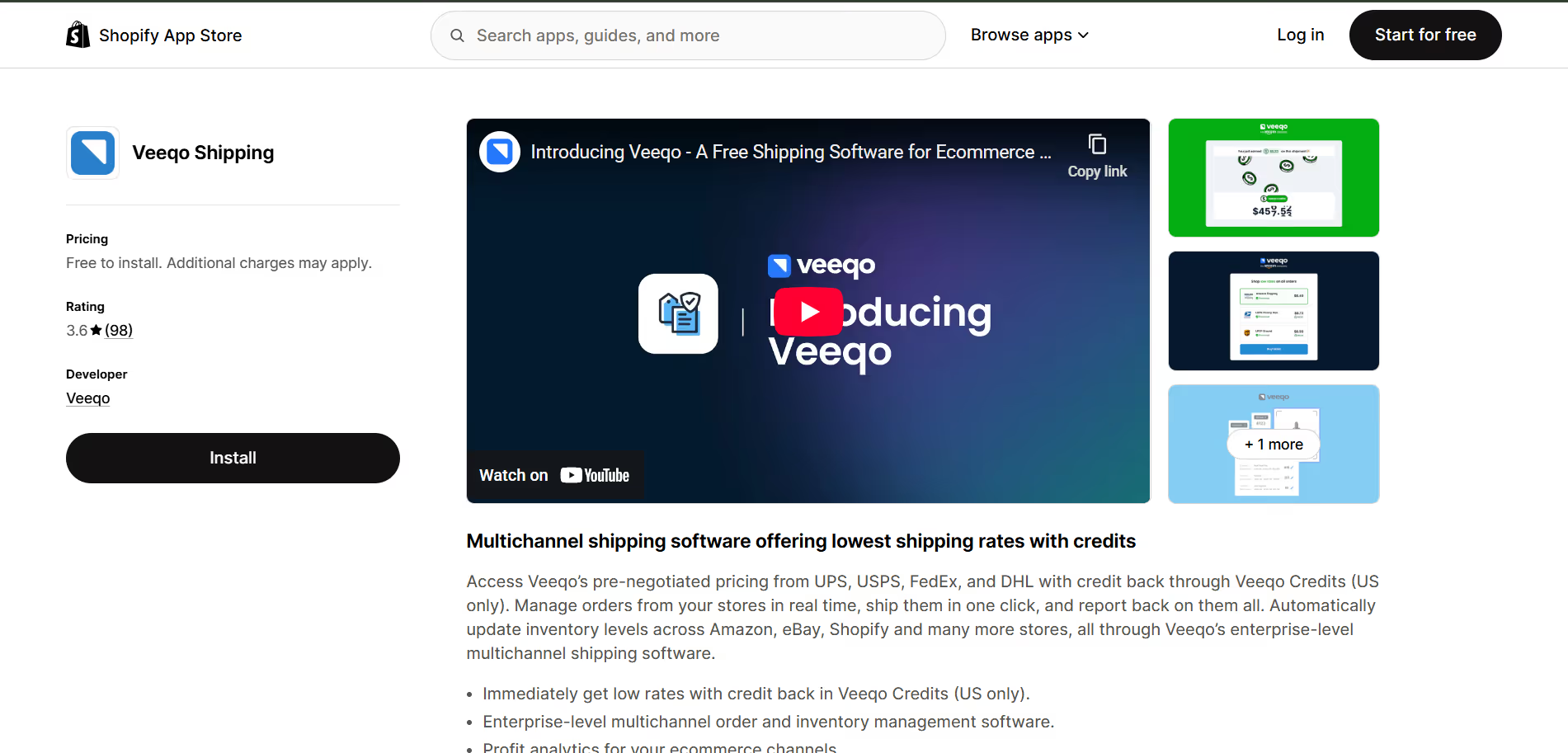
5. Veeqo
Veeqo keeps Shopify inventory in sync while tightly connecting it with shipping and order management. Stock updates automatically as orders are shipped, canceled, or returned.
Key Features:
- Live inventory sync across sales channels
- Built-in shipping and label generation
- Centralized order management
Pros:
- Inventory and shipping in one system
- Helpful for multichannel sellers
Cons:
- Inventory features are not as deep as dedicated tools
- Pricing varies by usage
Pricing:
Custom pricing based on order volume and channels.
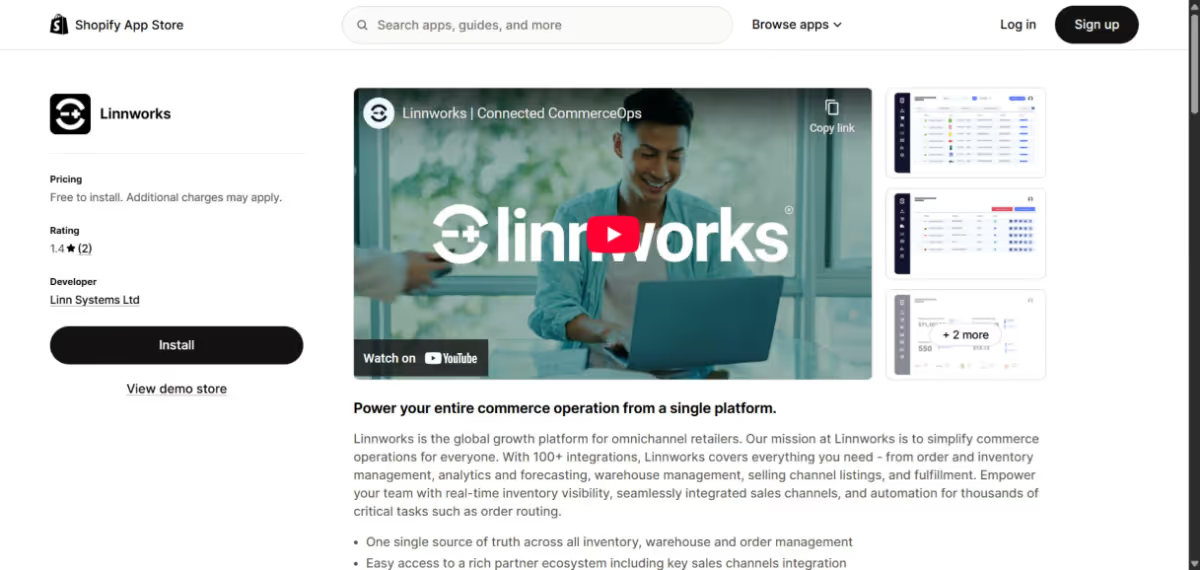
6. Linnworks
Linnworks is built for high-volume sellers managing inventory across multiple marketplaces. It automates real-time syncing and applies rules to control complex workflows.
Key Features:
- Real-time inventory sync across channels
- Automation rules and order routing
- Advanced reporting and analytics
Pros:
- Extremely scalable
- Strong automation capabilities
Cons:
- Interface can feel complex
- Requires onboarding and setup time
Pricing:
Custom pricing, often starting around $500/month.
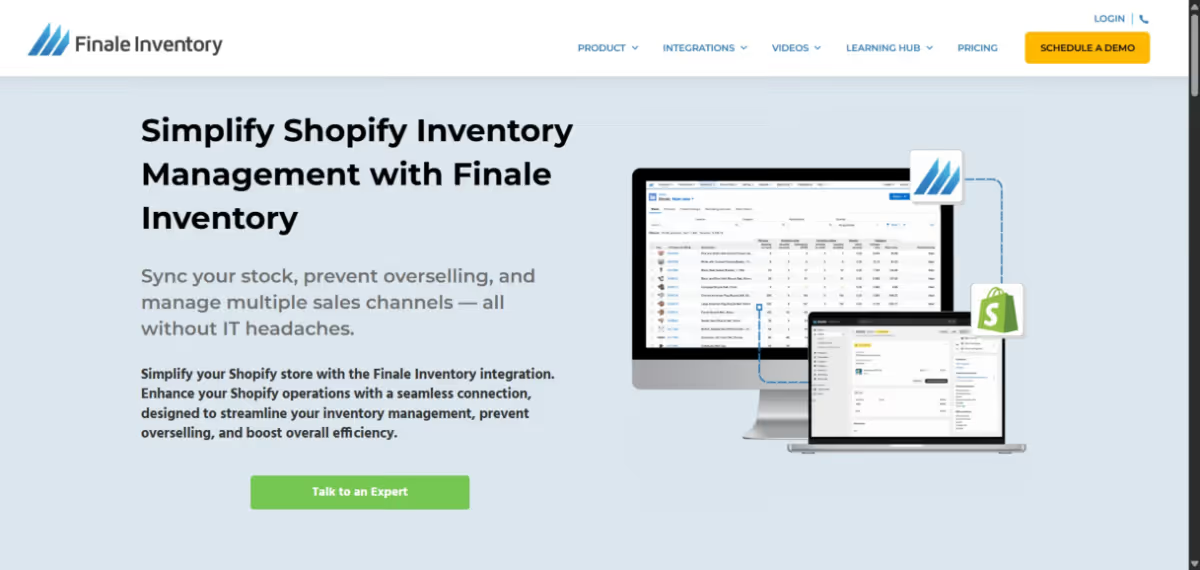
7. Finale Inventory
Finale Inventory focuses on warehouse accuracy and control. It syncs Shopify inventory in real time while offering advanced tools for barcode scanning and purchase orders.
Key Features:
- Real-time inventory and location syncing
- Barcode scanning and warehouse workflows
- Purchase order and stock transfer management
Pros:
- Excellent warehouse-level accuracy
- Strong audit and tracking features
Cons:
- Setup can feel technical
- Advanced features require higher plans
Pricing:
Starts around $499/month
8. Syncio
Syncio is a Shopify-native app built specifically for real-time inventory syncing between multiple Shopify stores. It updates stock instantly as sales or adjustments happen, helping merchants avoid overselling across connected stores.
.avif)
Key Features:
- Real-time inventory sync between multiple Shopify stores
- Two-way stock updates across linked products and variants
- Automatic syncing for sales, returns, and restocks
Pros:
- Simple setup and Shopify-first experience
- Ideal for brands running multiple Shopify stores
Cons:
- Limited marketplace and ERP integrations
- No forecasting or purchase order management
Pricing:
Starts around $19/month, with a free trial available.
9. Katana Cloud Inventory
Katana is built for manufacturers selling on Shopify. It syncs inventory in real time while tracking raw materials, production orders, and finished goods.

Key Features:
- Real-time inventory and production sync
- Bill of materials (BOM) tracking
- Visual production planning
Pros:
- Ideal for makers and manufacturers
- Clear production visibility
Cons:
- Not designed for pure resellers
- Pricing increases with manufacturing complexity
Pricing:
Starts around $399/month.
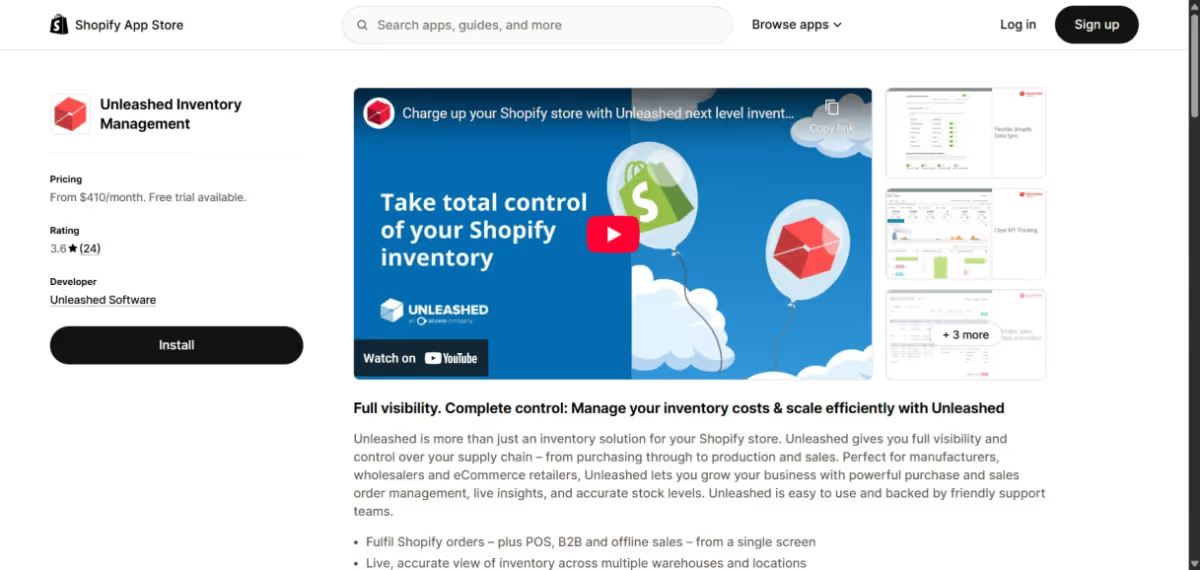
10. Unleashed Software
Unleashed Software focuses on real-time inventory control combined with accurate cost and margin tracking. It’s best suited for brands that prioritize financial visibility.
Key Features:
- Live inventory syncing with Shopify
- Cost of goods and margin reporting
- Batch and serial tracking
Pros:
- Strong cost and profitability insights
- Robust inventory controls
Cons:
- More expensive for small sellers
- Setup can be complex
Pricing:
Typically starts around $410/month.
Conclusion
As your Shopify business grows, inventory problems don’t usually come from poor demand, they come from delayed updates, mismatched stock, and reactive restocking decisions.
Real-time inventory sync fixes that by ensuring every sale, return, or adjustment is reflected instantly across all your selling channels.
The tools covered in this list each serve different needs. Some focus on warehouse-heavy workflows, others on manufacturing or large-scale automation.
The right choice depends on how complex your operations are and how much visibility you need into stock movement and replenishment.
For Shopify-first brands that want fast, accurate inventory syncing without ERP-level complexity, Sumtracker stands out by pairing real-time sync with practical restocking insights and forecasting.
👉 Want to keep inventory accurate, avoid stockouts, and restock with confidence?
Start a free trial of Sumtracker and see how real-time inventory sync works with your live Shopify data.
FAQs
1. What is real-time inventory sync in Shopify?
Real-time inventory sync means your stock levels update instantly across all connected channels (Shopify, Amazon, POS, etc.) whenever a sale, return, or adjustment happens.
2. Why is inventory sync important for multi-channel sellers?
Without sync, each channel updates stock separately, leading to overselling, stock mismatches, and manual corrections—especially as order volume increases.
3. How is real-time sync different from scheduled syncing?
Real-time sync updates inventory instantly, while scheduled sync runs at intervals (e.g., every 15–30 minutes), increasing the risk of overselling during high demand.
4. Can Shopify handle inventory sync on its own?
Shopify can sync inventory across its native channels, but for marketplaces like Amazon, eBay, or multiple stores, you typically need a third-party app.
5. What features should I look for in inventory sync software?
Look for true real-time updates, syncing, multi-location support, easy integration, and reporting features that help with forecasting and restocking decisions.
Conclusion

Bhoomi writes about inventory management and multichannel selling at Sumtracker. Her focus is on solving real operational problems for Shopify, Amazon, and marketplace sellers through well-researched content. She covers everything from multi-location inventory syncing and stock error troubleshooting to replenishment planning and platform comparisons, turning complex eCommerce operations into clear, actionable guidance.
LinkedInRelated Articles
Tool and strategies modern teams need to help their companies grow.
.avif)
.avif)

Ready to Simplify Your Inventory Management?
Join hundreds of e-commerce merchants who rely on Sumtracker to save time, eliminate errors, and grow their business.