.svg)
How to Fix Inventory Mismatches in eCommerce (Complete 2026 Guide)


Inventory mismatches are one of those problems that creep in quietly and then suddenly hit hard.
If you’re selling across multiple channels or managing a growing catalog, this isn’t just a minor operational hiccup, it’s something that can directly impact your revenue and customer trust.
The good news?
Inventory mismatches are fixable, and more importantly, preventable.
In this guide, we’ll break down why they happen, how to identify them, and what you can do to fix and avoid them going forward.
What Is an Inventory Mismatch?
An inventory mismatch happens when the stock levels in your system don’t match what you actually have in reality whether that’s in your warehouse, store, or across different sales channels.
In simple terms, your data says one thing, but your physical inventory tells a different story.
For example:
- Your system shows 50 units, but only 35 are physically available
- A product appears “in stock” online, but it’s already sold out
- You have items sitting in your warehouse that aren’t reflected in your inventory system

Why Inventory Mismatches Happen in eCommerce
Inventory mismatches rarely come from one big failure, they usually build up from small gaps across your operations, tools, and processes.
Here are the most common reasons inventory mismatches happen:
Manual Errors
Even with the best intentions, manual updates can go wrong. Entering the wrong quantity, selecting the wrong SKU, or forgetting to record a stock adjustment can instantly create discrepancies.
Multi-Channel Selling Complexity
When you’re selling on platforms like Shopify, Amazon, and Etsy, inventory needs to stay perfectly in sync everywhere. If one channel updates slower than another or not at all, you can end up overselling or holding incorrect stock levels.
Returns and Cancellations
Returns are a major source of mismatches. If returned items aren’t added back correctly (or are added back without proper inspection), your inventory data becomes unreliable. The same goes for canceled orders that don’t restore stock accurately.
Delayed or Broken Syncing
If your systems don’t update inventory in real time, you’re always working with slightly outdated numbers. During high sales periods, even a small delay can lead to significant mismatches.
Warehouse and Fulfillment Errors
Mistakes during picking, packing, or receiving inventory can create gaps between what’s recorded and what actually exists. Misplaced items, damaged goods, or incorrect counts during intake are common culprits.
Common Types of Inventory Mismatches
Not all inventory mismatches look the same and understanding the type you’re dealing with is the first step to fixing it properly. Each type usually points to a different underlying issue in your operations or systems.

Here are the most common ones you’ll come across:
Overselling (Negative Inventory)
This happens when you sell more units than you actually have in stock. It’s especially common in multi-channel setups where inventory isn’t syncing in real time. The result? Canceled orders, backorders, and unhappy customers.
Phantom Inventory
This is when your system shows stock available, but physically, it doesn’t exist. It often happens due to shrinkage, damaged items, or missed stock adjustments. Phantom inventory is dangerous because it gives you a false sense of availability.
Reserved vs Available Stock Confusion
Sometimes stock is technically in your system but already allocated to open orders. If your system doesn’t clearly separate “reserved” and “available” inventory, you can end up selling the same units twice.
Unrecorded or Miscounted Stock
This occurs when inventory is physically present but hasn’t been properly recorded in the system or was counted incorrectly during audits or receiving. It leads to missed sales opportunities because your system underreports stock.
Bundle and Component Mismatches
If you sell bundles or kits, mismatches often occur when component SKUs aren’t updated correctly after a sale. Your bundle may show as available, even though one of its underlying items is already out of stock.
How Inventory Mismatches Impact Your Business
What starts as a minor discrepancy can quickly turn into lost revenue, frustrated customers, and poor decision-making.
Here’s how they impact your business in real terms:
Lost Sales and Missed Opportunities
If your system shows items as out of stock when they’re actually available, you lose potential sales. On the flip side, overselling forces you to cancel orders either way, revenue takes a hit.
Poor Customer Experience
Nothing frustrates customers more than placing an order and then being told it’s unavailable. Delays, cancellations, and incorrect fulfillment damage trust and increase the chances of negative reviews.
Increased Operational Chaos
Your team ends up spending time firefighting manually checking stock, fixing orders, handling support tickets instead of focusing on growth. Small issues start consuming a disproportionate amount of time.
Higher Costs and Shrinking Margins
Inventory errors lead to expedited shipping, refunds, replacements, and even dead stock. These hidden costs quietly eat into your margins.
Inaccurate Forecasting and Purchasing Decisions
When your inventory data is off, your demand planning becomes unreliable. You might overstock slow-moving items or run out of your bestsellers at the worst possible time.
Lack of Visibility and Control
Perhaps the biggest impact is the loss of confidence in your own data. When you can’t trust your inventory numbers, every decision like pricing, promotions, restocking becomes guesswork.
How to Prevent Inventory Mismatches Going Forward
Preventing inventory mismatches is less about fixing errors and more about building a system where errors don’t happen in the first place.

Here’s how to prevent it:
Build Real-Time Visibility Across Channels
One of the biggest causes of mismatches is delay. If your inventory doesn’t update instantly across platforms, you’re always working with outdated numbers. Real-time syncing ensures that every sale, return, or adjustment reflects immediately reducing the chances of overselling or incorrect stock levels.
Create a Single Source of Truth
When inventory lives in multiple places like spreadsheets, platforms, manual logs discrepancies are inevitable. Centralizing your inventory into one system ensures that your team always refers to the same data, eliminating confusion and duplication.
Strengthen Your Operational Workflows
Inventory accuracy isn’t just a system problem, it’s an execution problem. Receiving stock, picking orders, handling returns, and transferring inventory should all follow clear, consistent processes. The more standardized your workflows, the fewer errors slip through.
Catch Issues Early with Regular Checks
You don’t need to wait for a full inventory audit to find problems. Regularly reviewing a subset of products helps you identify mismatches early, before they scale into bigger issues that affect sales and fulfillment.
Track Inventory at a Granular Level
As you grow, tracking inventory at just a high level isn’t enough. You need visibility at the SKU and location level knowing exactly what’s available, where it is, and what’s already committed to orders.
Reduce Dependency on Manual Updates
Manual processes are one of the biggest sources of errors. The more you rely on automation for syncing orders, updating stock, and managing adjustments, the more consistent and accurate your inventory becomes.
Best Tool to Manage and Fix Inventory Mismatches
Inventory mismatches usually come from delayed syncing, manual updates, or managing stock across multiple disconnected systems.
Instead of constantly fixing errors after they happen, a tool like Sumtracker helps you bring control and accuracy back into your inventory.
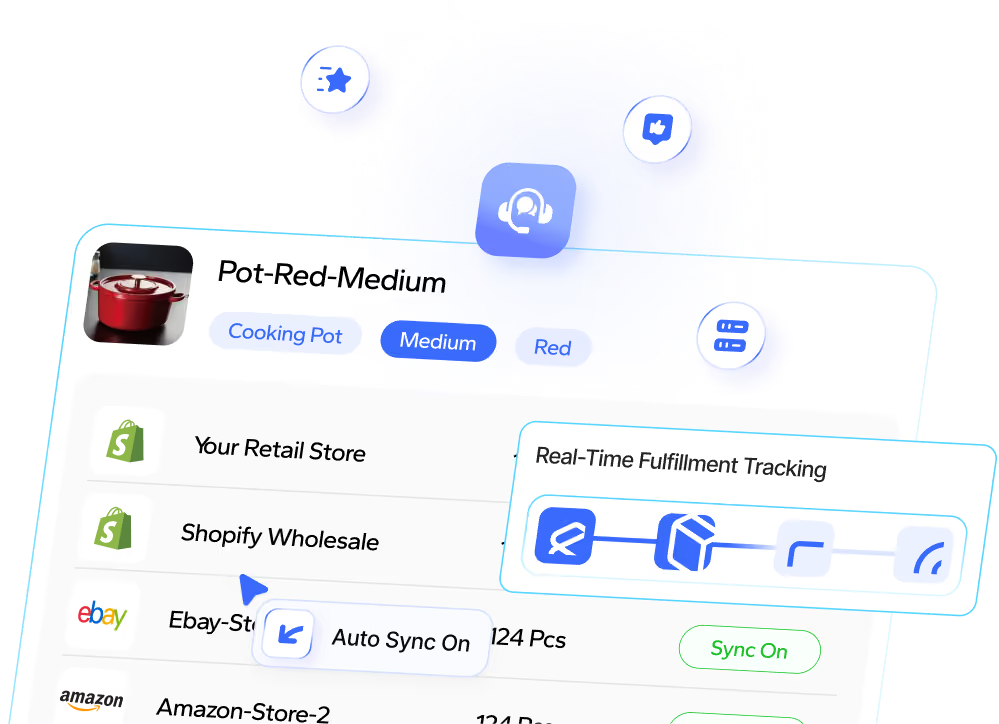
Sumtracker works by centralizing your inventory and keeping it updated in real time across all your sales channels and locations.
This means your stock levels stay consistent everywhere, reducing the chances of overselling, stockouts, or data mismatches.
Here’s how it helps manage and fix inventory mismatches:
- Real-time inventory sync across channels so stock updates instantly after every sale or return
- Centralized system that acts as a single source of truth for all your inventory
- Automatic adjustments for orders, returns, bundles, and transfers to avoid manual errors
- SKU and location-level tracking for better visibility and control
- Reports and alerts to quickly identify and fix discrepancies
Conclusion
Inventory mismatches aren’t just an operational annoyance, they’re a signal that something in your system isn’t fully aligned.
The key isn’t just fixing mismatches when they appear, but building a setup where they rarely happen at all.
With real-time visibility, consistent processes, and the right tools in place, inventory accuracy becomes something you can depend on not constantly question.
When your inventory is accurate, everything else improves. You make better decisions, fulfill orders confidently, and scale your business without the constant fear of things going out of sync.
In short, accurate inventory isn’t just about stock, it’s the foundation for smooth operations and sustainable growth.
Tired of fixing inventory mismatches manually?
Start using Sumtracker to automate your inventory sync, eliminate discrepancies, and get complete control over your stock across all channels.
FAQs
What is the most common cause of inventory mismatches in eCommerce?
The most common cause is a combination of manual errors and delayed syncing across systems. When inventory isn’t updated in real time or is managed across multiple tools, discrepancies are almost inevitable.
How often should I check my inventory for mismatches?
Instead of relying only on occasional full audits, it’s better to do regular cycle counts, checking a small set of SKUs weekly or daily depending on your order volume.
Can inventory mismatches lead to overselling?
Yes, overselling is one of the most common outcomes of inventory mismatches. If your system shows more stock than you actually have, you may end up accepting orders you can’t fulfill.
How can I reduce manual errors in inventory management?
The best way is to minimize manual updates by using automation. Tools that sync inventory in real time and automatically adjust stock for orders, returns, and transfers can significantly reduce human error.
Do I need inventory management software to prevent mismatches?
If you’re selling across multiple channels or managing a large catalog, yes. While small businesses might manage with manual methods initially, scaling without a centralized inventory system often leads to frequent mismatches.
Conclusion

Bhoomi writes about inventory management and multichannel selling at Sumtracker. Her focus is on solving real operational problems for Shopify, Amazon, and marketplace sellers through well-researched content. She covers everything from multi-location inventory syncing and stock error troubleshooting to replenishment planning and platform comparisons, turning complex eCommerce operations into clear, actionable guidance.
LinkedInRelated Articles
Tool and strategies modern teams need to help their companies grow.

.avif)
.avif)
Ready to Simplify Your Inventory Management?
Join hundreds of e-commerce merchants who rely on Sumtracker to save time, eliminate errors, and grow their business.