.svg)
Top 10 Stock Management Systems for Shopify Sellers in 2026


If you’ve ever had a product sell out faster than expected or discovered excess stock sitting unsold, you already know how unforgiving inventory mistakes can be.
For Shopify sellers in 2026, stock management isn’t just an operational task. It directly impacts revenue, cash flow, and customer trust.
As stores scale, selling across channels and locations becomes the norm, not the exception.
Relying on manual updates or basic inventory tracking simply doesn’t hold up anymore.
That’s why modern Shopify sellers are turning to dedicated stock management systems that provide real-time visibility, accurate syncing, and smarter restocking decisions.
In this guide, we explore the top stock management systems that help Shopify sellers stay in control and grow with confidence.
Why Shopify Sellers Need a Stock Management System in 2026
Most sellers are managing larger catalogs, selling on multiple channels, and fulfilling orders faster than customers expect.
In this environment, even small inventory mistakes can quickly turn into lost sales, delayed shipments, or frustrated customers.
While Shopify’s built-in inventory tools work for basic tracking, they aren’t designed for growing operational needs. As order volume increases, manual updates and reactive stock decisions stop working.
Sellers need better visibility into stock movement and clearer signals on when and what to restock.
A dedicated stock management system helps Shopify sellers stay proactive instead of constantly fixing inventory issues after they happen. It brings structure, accuracy, and predictability to inventory operations.
With the right stock management system, Shopify sellers can:
- Keep inventory levels accurate across all sales channels
- Avoid overselling and unexpected stockouts
- Get timely alerts when stock is running low
- Plan restocks based on actual sales data, not guesswork
- Manage inventory across multiple locations from one place
What to Look for in a Shopify Stock Management System
The right stock management system should reduce manual work, improve accuracy, and help you make confident inventory decisions instead of constantly reacting to stock issues.
Here’s what you should look for in a stock management system:
Real-Time Inventory Syncing
Your stock levels should update instantly as sales happen. Real-time syncing ensures that inventory stays accurate across Shopify and any other sales channels you use, helping prevent overselling and stock mismatches.
Multi-Location Inventory Support
If you store inventory in more than one place, tracking everything from a single view becomes essential. A good system should clearly show where stock is located and allow easy movement between locations.
Low-Stock Alerts and Restocking Signals
Instead of discovering stockouts too late, the system should warn you in advance. Low-stock alerts and restocking signals help you act early and keep popular products available.
Demand Forecasting and Planning
Basic stock tracking isn’t enough as your store grows. Forecasting features help you plan inventory based on historical sales, seasonality, and demand trends rather than guesswork.
Purchase Order Management
Creating and tracking purchase orders directly within the system saves time and reduces errors. This is especially important when working with multiple suppliers or frequent restocking cycles.
Multi-Channel Selling Support
Many Shopify sellers also sell on marketplaces like Amazon or eBay. Your stock management system should keep inventory consistent across all channels without manual updates.
Clear Reporting and Inventory Insights
Good inventory decisions depend on clear data. Look for systems that provide easy-to-understand reports on stock levels, sell-through rates, and inventory movement.
Ease of Use and Shopify Compatibility
Even the most powerful system won’t help if it’s hard to use. The best tools integrate smoothly with Shopify and are simple enough for daily use without heavy training.
Here are the list of 10 best stock management tools for Shopify sellers:
Sumtracker
Sumtracker is a stock management system built for eCommerce brands that need fast, accurate inventory syncing across channels. It helps sellers stay in stock, avoid overselling and make confident restocking decisions as they scale.
.avif)
Key Features:
- Real-time inventory sync across Shopify, multiple stores, and marketplaces
- Multi-location stock tracking and stock transfers
- Purchase order creation, receiving, and supplier tracking
- Low-stock alerts and sales-based restocking insights
- Accurate bundle and kit inventory tracking
- Clear inventory reports with SKU-level visibility
Pricing:
Plans start from $59/month, with higher tiers based on order volume and features. Free trial available.
Best for:
Shopify sellers and multi-channel eCommerce brands that want reliable stock syncing, clear restocking guidance, and practical inventory control without complex ERP systems.
Customer Review:
Rated 5 stars on Shopify App Store. Merchants consistently praise Sumtracker for reliable real-time syncing, practical inventory insights, and responsive customer support.
Stock Sync
Stock Sync is a popular Shopify app designed to automatically update inventory levels using data feeds or external sources. It’s commonly used by sellers who sync stock from suppliers, warehouses, or multiple systems.
.avif)
Key Features:
- Automated inventory updates via CSV, XML, or API feeds
- Real-time quantity syncing
- Scheduled sync rules and filters
- Overselling prevention
Pricing:
Tiered monthly plans based on sync volume and update frequency, starts $5/month
Best for:
Merchants managing inventory from external suppliers or feeds.
What the Customer says:
Users like Stock Sync for its reliable alignment of inventory across sources, especially when working with supplier feeds or external systems.
LitCommerce
LitCommerce is a multi-channel inventory and order management platform that helps Shopify sellers manage products and stock across multiple marketplaces from one place.
.avif)
Key Features:
- Centralized inventory control for multiple channels
- Automated stock updates across platforms
- Order routing and synchronization
- Product listing management
Pricing:
Pricing varies based on connected sales channels and order volume, starts $29/ month.
Best for:
Shopify sellers expanding into marketplaces like Amazon or eBay.
What the Customer says:
Shopify sellers appreciate LitCommerce for simplifying multi-channel inventory management and saving time on manual stock updates.
Stockup – Inventory Management
Stockup is a lightweight inventory management app focused on restocking visibility and stock alerts. It’s built for Shopify sellers who want simple, actionable inventory insights without complex workflows.
.avif)
Key Features:
- Low-stock alerts
- Restock recommendations
- Daily inventory summaries
- Simple, clean interface
Pricing:
Affordable monthly plans, with a free or entry-level tier available, starts $15/ month.
Best for:
Small Shopify stores and early-stage brands.
What the Customer says:
Customers value Stockup for its simplicity, clear low-stock alerts, and ease of use for day-to-day inventory monitoring.
Thrive by Shopventory
Thrive by Shopventory is a robust inventory management platform that supports both online and retail operations. It combines stock tracking, analytics, and purchasing workflows in one system.
.avif)
Key Features:
- Real-time inventory tracking
- Multi-location and POS support
- Reorder points and purchase orders
- Inventory valuation and reporting
Pricing:
Plans typically start around $59/month, with higher tiers for advanced features.
Best for:
Mid-sized Shopify brands with retail or omnichannel operations.
What the Customer says:
Reviews often highlight Thrive’s strong reporting, multi-location tracking, and improved visibility over Shopify’s native inventory.
Syncio Multi-Store Sync
Syncio is designed specifically for Shopify merchants running multiple stores who need inventory levels synced accurately across them.
.avif)
Key Features:
- Real-time inventory sync between Shopify stores
- Product and variant syncing
- Easy multi-store linking
Pricing:
Tiered plans based on the number of connected stores, starts $15/month.
Best for:
Brands operating multiple Shopify storefronts.
What the Customer says:
Syncio is frequently praised for easy setup and dependable inventory syncing across multiple Shopify stores.
Trunk Inventory
Trunk focuses on real-time inventory syncing and bundle inventory management, making it useful for Shopify sellers offering kits or bundled products.
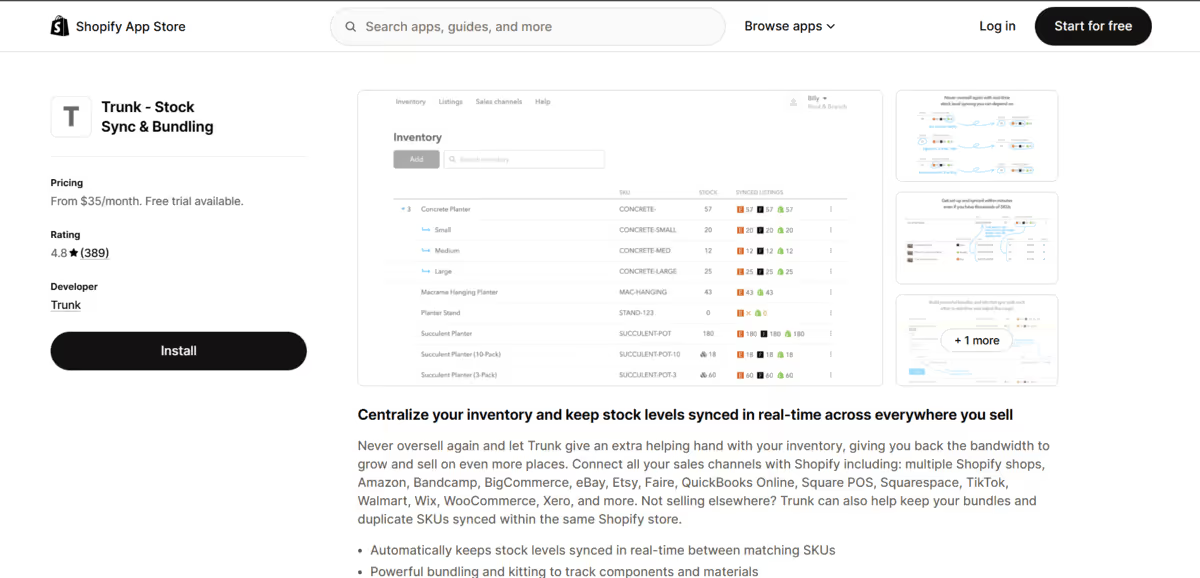
Key Features:
- Real-time inventory syncing
- Automatic stock deduction for bundles
- Multi-store and channel syncing
Pricing:
Pricing depends on SKU count and sync frequency, starts $35/month.
Best for:
Stores selling bundles or kits that need accurate component tracking.
What the Customer says:
Users love Trunk for stress-free real-time stock syncing and accurate bundle inventory handling across channels.
SyncLogic
SyncLogic is a multi-channel inventory sync tool that helps keep stock levels aligned between Shopify and other selling platforms.
.avif)
Key Features:
- Automated inventory updates across platforms
- Sync rules and scheduling
- Overselling prevention
Pricing:
Pricing varies based on integrations and sync volume, $19.99/month.
Best for:
Omnichannel sellers needing consistent stock across platforms.
What the Customer says:
Merchants report that SyncLogic helps prevent overselling by keeping inventory levels consistent across platforms.
Sellbrite
Sellbrite is a multichannel inventory and order management platform that helps Shopify sellers manage stock across major marketplaces from a single dashboard.
.avif)
Key Features:
- Centralized inventory control
- Unified order management
- Marketplace integrations
- Channel performance insights
Pricing:
Subscription plans based on order volume and channels used, starts, $19/ month.
Best for:
Shopify sellers actively selling on marketplaces.
What the Customer says:
Customers appreciate centralized inventory control and smoother multichannel selling from a single dashboard.
Assisty
Assisty is an inventory planning and analytics app focused on forecasting, stock health insights, and smart replenishment for Shopify sellers.
.avif)
Key Features:
- Demand forecasting and reorder suggestions
- Inventory health dashboards
- Low-stock alerts
- Purchase planning support
Pricing:
Monthly plans based on store size and SKU volume, starts $19/month.
Best for:
Data-driven Shopify sellers who want better demand planning.
What the Customer says:
Users say Assisty helps them plan inventory better with clear forecasting insights and actionable replenishment suggestions.
Common Stock Management Challenges Shopify Sellers Face
Managing stock on Shopify often becomes challenging as soon as a business starts growing. What works for a small catalog or a single sales channel can quickly break down when order volume increases, new products are added, or sales expand beyond one store or marketplace.
Many sellers find themselves reacting to inventory problems instead of planning ahead. Without the right systems in place, stock issues tend to show up at the worst possible time during sales spikes, promotions, or seasonal demand.
Here are some of the most common stock management challenges Shopify sellers face:
- Overselling across channels
Inventory not syncing in real time between Shopify and other platforms leads to cancelled orders and unhappy customers. - Frequent stockouts of bestsellers
Without clear restocking signals, popular products sell out faster than expected, resulting in missed revenue. - Excess stock tying up cash
Poor demand planning often leads to over-ordering slow-moving SKUs, locking cash into inventory that doesn’t sell. - Inaccurate stock after returns or refunds
Returned items are not always reflected correctly in inventory, causing misleading stock counts. - Lack of visibility across locations
Managing inventory across warehouses, stores, or fulfillment partners without a centralized view creates confusion and delays. - Manual tracking and spreadsheets
Relying on spreadsheets or manual updates increases the risk of errors and takes valuable time away from growth activities. - Unclear reorder timing
Sellers often struggle to know when to reorder and how much to purchase, leading to rushed decisions and higher costs.
Conclusion
In 2026, stock management directly affects revenue, cash flow, customer experience, and how confidently a business can scale. As catalogs grow and selling across channels becomes standard, relying on manual updates or basic inventory tracking creates more risk than control.
The tools covered in this guide show that modern stock management systems go far beyond counting units. They help sellers keep inventory accurate across channels, plan restocks based on real sales data, and avoid costly stockouts or excess inventory.
The right system depends on your business model, but investing in one is no longer optional if you want predictable growth.
Ultimately, the goal isn’t to manage inventory more often, it’s to manage it better. With the right stock management system in place, Shopify sellers can move from reactive firefighting to proactive, confident decision-making.
Try Sumtracker free for 2 weeks.
FAQs
1. Does Shopify have built-in stock management?
Shopify provides basic inventory tracking, but it lacks advanced features like multi-channel syncing, demand forecasting, and purchase order management.
2. When should a Shopify seller start using a stock management system?
Once you sell on multiple channels, manage multiple locations, or face stockouts or overstocking, a dedicated stock management system becomes necessary.
3. Can stock management systems help prevent overselling on Shopify?
Yes. These systems sync inventory in real time across Shopify and other sales channels, reducing the risk of selling out-of-stock products.
4. Do Shopify stock management tools support bundles and kits?
Some tools automatically track bundle components and adjust inventory accurately when bundled products are sold.
5. How do I choose the right stock management system for my Shopify store?
Choose a system based on your sales channels, inventory complexity, growth plans, ease of use, and how well it integrates with Shopify.
Conclusion

Bhoomi writes about inventory management and multichannel selling at Sumtracker. Her focus is on solving real operational problems for Shopify, Amazon, and marketplace sellers through well-researched content. She covers everything from multi-location inventory syncing and stock error troubleshooting to replenishment planning and platform comparisons, turning complex eCommerce operations into clear, actionable guidance.
LinkedInRelated Articles
Tool and strategies modern teams need to help their companies grow.


Ready to Simplify Your Inventory Management?
Join hundreds of e-commerce merchants who rely on Sumtracker to save time, eliminate errors, and grow their business.